
Pickathon Music Festival Partners with PSU Student Agency
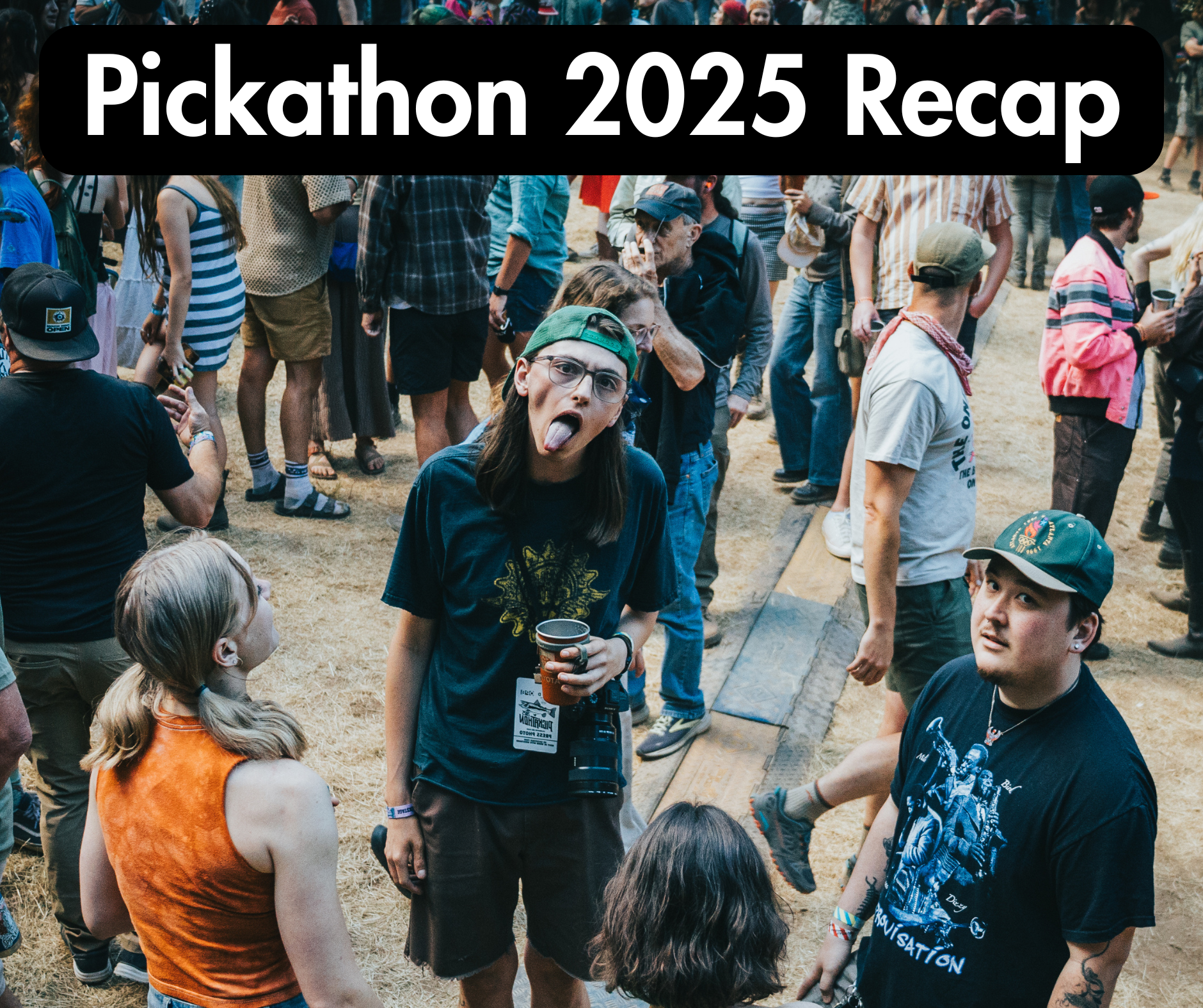
Student Work @ PSU, our student run advertising agency, helped spearhead creative strategy for Pickathon’s late-July festival, but our collaboration with the team began long before opening day and the impact didn’t end when the music stopped. What started as pre-festival planning has grown into an ongoing partnership where we continue supporting Pickathon’s storytelling, sustainability communication, and artist-focused content throughout the year. Student Work at PSU, our student-run advertising agency, helped spearhead creative strategy for Pickathon’s late-July festival, but our collaboration with the team began long before opening day and the impact didn’t end when the music stopped. What started as pre-festival planning has grown into an ongoing partnership where we continue supporting Pickathon’s storytelling, sustainability communication, and artist-focused content throughout the year. As Pickathon Founder and CEO Zale Schoenborn shared, “Partnerships with students, like those in the PSU Student Work program, allow us to amplify the energy of Pickathon’s cultural moment into a movement of continuous community impact.”
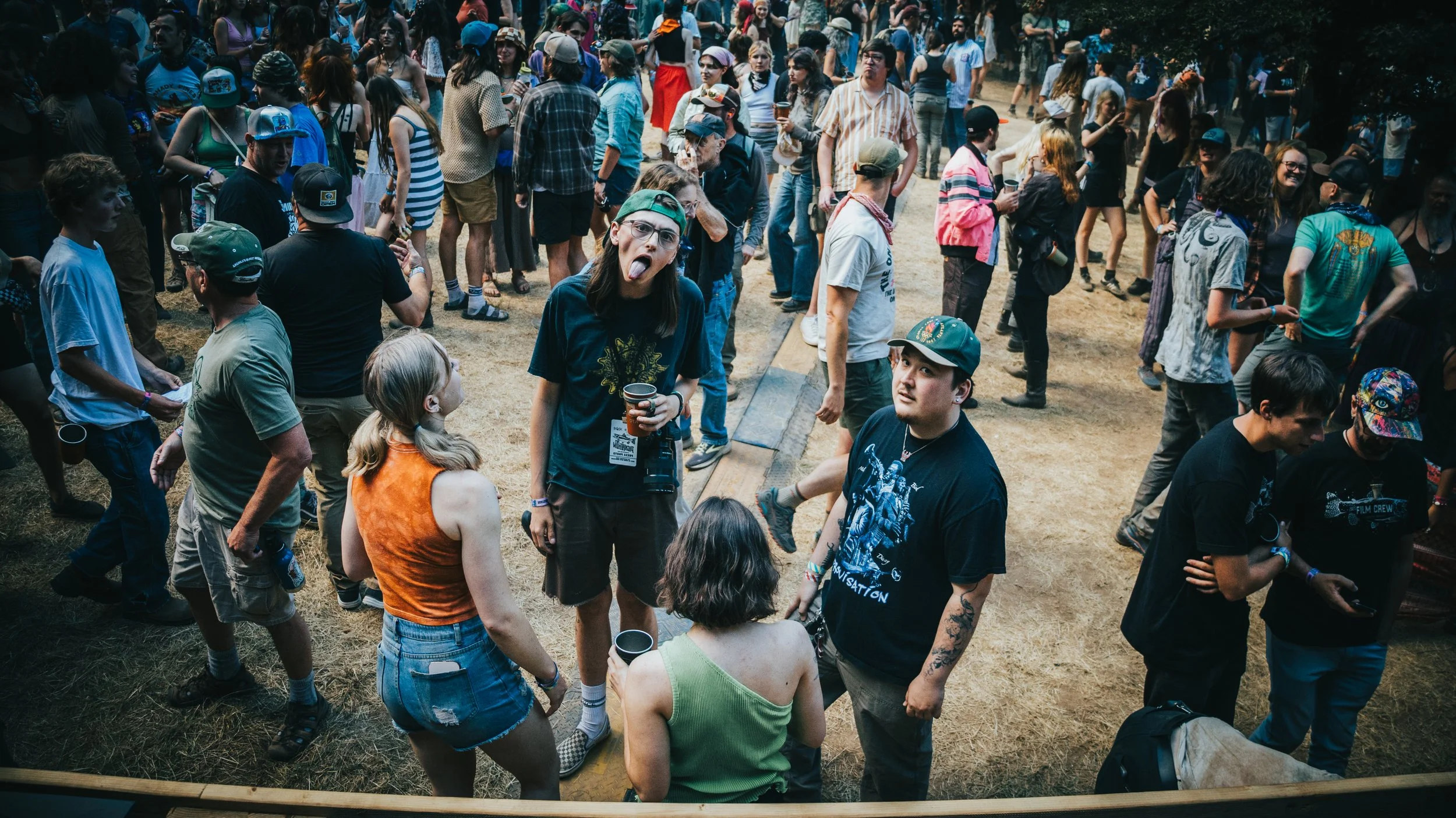
From the beginning, it was clear that Pickathon doesn’t operate like a typical festival. Instead of centering headliners, the festival invests in early-career musicians who are shaping the future of music. Artists perform multiple sets across different settings, allowing audiences to hear them in new arrangements and unexpected environments. Many performers who debut at Pickathon later gain national recognition, reflecting the festival’s commitment to elevating genre-defying voices: folk innovators, experimental groups, global performers, hip-hop artists, and musicians who don’t fit neatly into familiar categories. As Schoenborn describes it, “What sets Pickathon apart is our commitment to discovery, often featuring emerging artists years before they become stadium headliners.”
This emphasis on emerging talent resonated deeply with our team. As students navigating creative careers, we understood the importance of having spaces where new voices are supported, not overshadowed. Watching footage of musicians performing beneath structures designed by PSU architecture students made that connection even stronger. The stages themselves are student-created, constructed from reclaimed materials and modular systems that are rebuilt and reimagined each festival season.
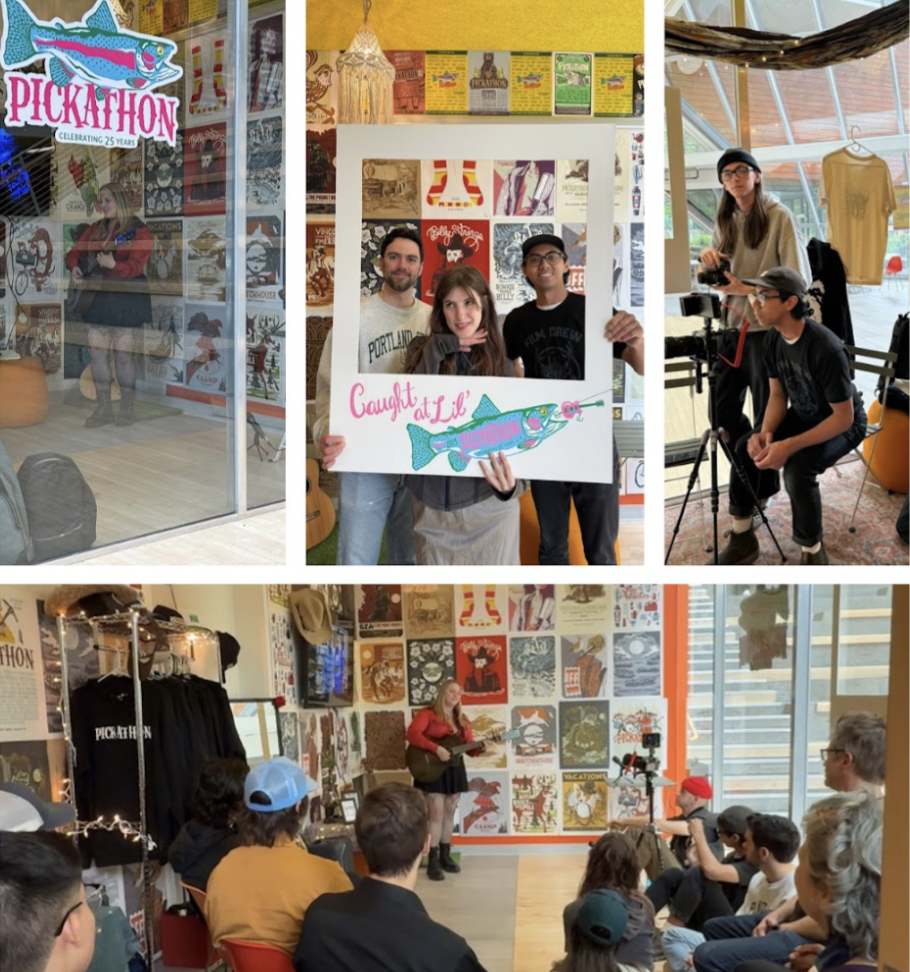
Seeing how architecture and performance rely on one another shaped our approach. Sustainability at Pickathon isn’t just about compost stations or reusable dishware, though, as Schoenborn noted, “We were the first American festival to eliminate plastic and use reusable dishes.” It’s also about cultural sustainability: supporting artists early, giving them room to grow, and cultivating an environment where discovery feels communal. We wanted our storytelling to reflect that holistic definition of sustainability.
Our year-round strategy centered on highlighting that Pickathon is more than a summer event. Students developed content frameworks that featured rising artists, spotlighted vendors and volunteers, documented architecture builds, and made the festival’s environmental systems visible and understandable. The goal was to keep the community connected during the months when no one is physically on stage.
Music naturally became the heart of these narratives. Throughout spring and summer, our features focused on artist-discovery sessions, behind-the-scenes stories, and insights into how musicians prepare for a festival that encourages creative freedom. We leaned into what makes Pickathon special: the feeling of stumbling upon a performance in the woods or hearing an artist reshape their sound from one set to the next. We wanted audiences to experience that sense of discovery all year long.
We also recognized Pickathon’s long history of championing artists before they break through. Many attendees return annually not because they know the lineup, but because they trust the curation. That trust is rare within the music industry, and it guided much of our creative direction.
Throughout the collaboration, Student Work operated like a full agency, coordinating with stakeholders, refining messaging, developing visual identity extensions, and managing detailed content calendars. Schoenborn emphasized how meaningful this model is for both sides, noting that partnerships like this are “crucial for developing the next workforce, providing peak life experiences, and ensuring the successive growth of Pickathon itself.”
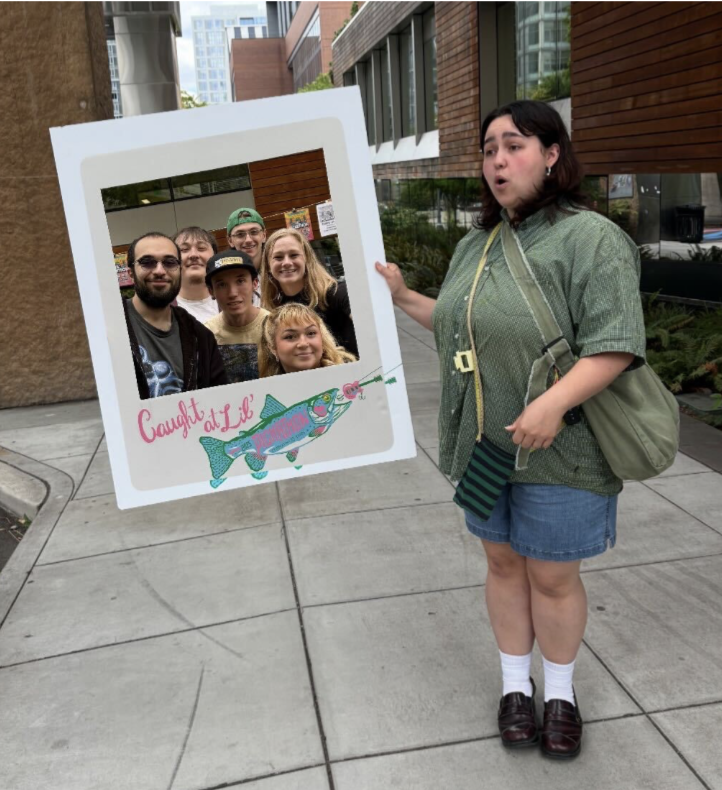
Some of our most memorable moments came from seeing how interconnected the festival truly is: architecture students designing the structures that hold the sound; volunteer teams constructing those spaces from reclaimed materials; emerging musicians stepping onto stages supported by sustainable systems; and our creative team shaping the narratives that tie these elements together.
For Student Work, this partnership became a defining example of how students can contribute to Oregon’s cultural landscape. It demonstrated that sustainability extends beyond environmental practices, it lives in the way a community nurtures new musicians, supports creative ecosystems, and builds platforms that uplift voices early in their careers.
Looking ahead, Schoenborn shared a vision that underscores the long-term value of this collaboration: “We see the partnership with PSU students becoming a long-term, sustainable pillar of the festival…such a powerful feature that it serves as a key recruiting and marketing tool for the university.”
Pickathon allowed us to see what happens when creativity, sustainability, design, and community care intersect. It reminded us that cultural impact isn’t created only in the moments of performance, but in the collaborative, intentional work leading up to them. And it affirmed that students can play a critical role in helping these cultural spaces grow, evolve, and thrive.